Wedding flowers for Deptford Dockyard venues
Posted on 12/10/2026
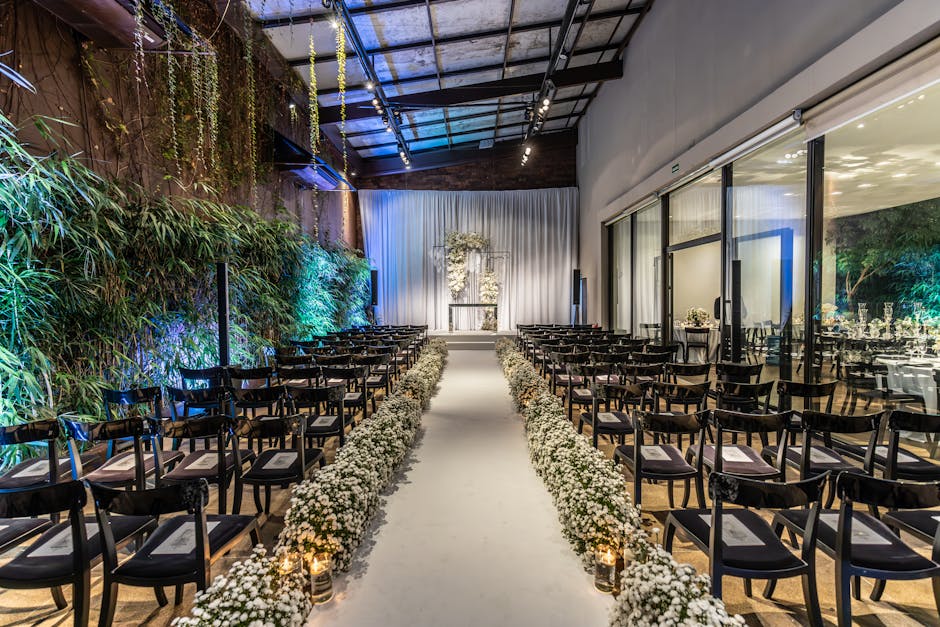
Planning Wedding flowers for Deptford Dockyard venues is one of those jobs that sounds simple at first, then suddenly becomes the thing that shapes the whole day. The right flowers do more than look pretty. They soften industrial spaces, brighten historic brickwork, guide the eye through a room, and make a warehouse-style setting feel warm, personal, and unmistakably yours. If you are working with a Dockyard venue in Deptford, the floral brief is usually a little different from a standard hotel wedding. You are balancing character, scale, light, weather, and logistics all at once. Not glamorous on paper, perhaps. But very important.
This guide walks through how to choose flowers that suit Deptford Dockyard settings, what tends to work best, where couples often go wrong, and how to get a result that feels polished without becoming overdone. You will also find practical planning steps, a simple comparison table, a checklist, and answers to the questions people actually ask when they are in the middle of wedding decisions and trying not to lose the plot.
One quick note before we start: venue flowers are not just decoration. They shape atmosphere. And in a space with exposed beams, steel, old timber, or wide open sightlines, that atmosphere can matter as much as the dress, the music, or the food. Maybe more than one of those on the day itself. Let's be fair, nobody forgets the flowers in the photos.
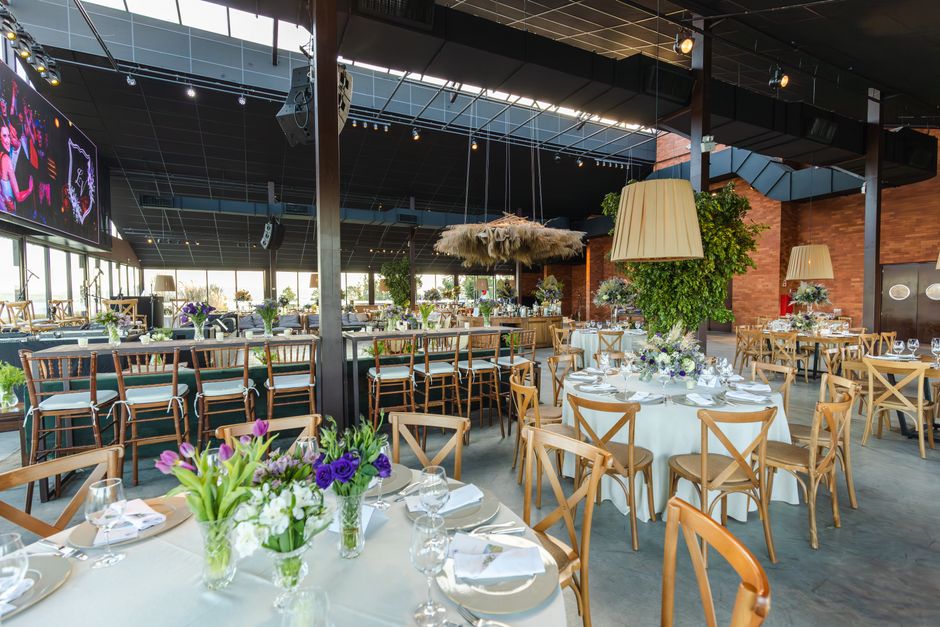
Table of Contents
- Why Wedding flowers for Deptford Dockyard venues Matters
- How Wedding flowers for Deptford Dockyard venues Works
- Key Benefits and Practical Advantages
- Who This Is For and When It Makes Sense
- Step-by-Step Guidance
- Expert Tips for Better Results
- Common Mistakes to Avoid
- Tools, Resources and Recommendations
- Law, Compliance, Standards, or Best Practice
- Options, Methods, or Comparison Table
- Case Study or Real-World Example
- Practical Checklist
- Conclusion
- Frequently Asked Questions
Why Wedding flowers for Deptford Dockyard venues Matters
Dockyard-style venues in Deptford often have a strong visual identity already. That is the charm. You may have brick, iron, concrete, timber, windows with long views, and a space that feels spacious even before guests arrive. Flowers matter here because they bridge the gap between the raw architecture and the wedding atmosphere you want to create.
Without flowers, those venues can feel a touch too spare. With the wrong flowers, they can feel busy in the wrong way. The sweet spot is usually somewhere in the middle: floral design that respects the venue's bones while adding softness, colour, and movement.
There is also a practical reason. Large or unusual venues often have more visual "dead space" than a smaller room. A thoughtful flower plan can help define the ceremony area, anchor the top table or focal point, and create continuity from the entrance to the reception. That continuity is what makes the whole day feel intentional rather than assembled in bits.
In our experience, couples sometimes think they need more flowers than they actually do. Truth be told, in a dramatic venue, placement often matters more than volume. A few well-chosen designs, positioned properly, can do more than a mountain of random blooms. That is not a hard rule, just a useful reality check.
Flowers also carry mood. Soft whites and green tones can calm an industrial space. Deep reds or rich purples bring drama. Pale blush, ivory, and lilac feel romantic without shouting about it. If the venue has strong natural daylight, colours can look one way at 2pm and another by early evening. That is worth thinking about. More than worth it, actually.
How Wedding flowers for Deptford Dockyard venues Works
Getting wedding flowers right for a Dockyard venue starts with understanding the space itself. Is it lofty and open, or broken into smaller rooms? Is the ceremony in one area and the meal in another? Are there exposed surfaces that can support foliage, or do you need freestanding pieces and table designs? These questions change the floral plan quite a bit.
The usual process begins with venue measurements, photos, and a rough sense of your theme. A florist will normally want to know:
- the ceremony location and reception layout
- your colour palette
- how formal or relaxed you want the flowers to feel
- which items matter most: bridal bouquet, buttonholes, centrepieces, statement pieces, or all of them
- your budget range and any priorities
- the season of the wedding
Seasonal availability matters because it affects both price and look. If you want a flower that is out of season in the UK, it may still be possible, but the cost and structure of the arrangement can change. For a dockside venue, it can actually be wiser to lean into what looks natural and strong rather than forcing a very delicate style that struggles in an airy room.
Then comes the styling choice. Some weddings suit a cohesive collection: bouquet, bridesmaid bouquets, buttonholes, table arrangements, and perhaps a few larger focal pieces. Other weddings do better with a few standout moments and restrained supporting details. There is no one right answer. It depends on the venue and your guest count, and yes, on your patience level too.
If you want a quick place to begin looking at structure and styles, the florist's dedicated wedding collection is a sensible starting point, and you can also explore specific pieces like bridal bouquets and table arrangements to see how different elements work together.
Key Benefits and Practical Advantages
Good flowers do a lot of quiet work on the day. They do not just decorate; they support the whole experience.
- They soften industrial interiors. Brick and metal can be beautiful, but flowers bring warmth and human scale.
- They create visual structure. Statement arrangements can define the ceremony, aisle, or reception focal points.
- They improve photos. A bouquet or table design with the right shape and colour palette helps every image feel more complete.
- They help tie suppliers together. Flowers connect the venue styling, stationery, outfit colours, and tableware without needing everything to match exactly.
- They can be adjusted to budget. You can go big on the bouquet and ceremony flowers, then keep the table designs simpler, or vice versa.
One overlooked advantage is flow. In a venue where guests move between areas, flowers can help them understand where to go. A well-placed arrangement near an entrance or aisle can work like a gentle visual signpost. Not dramatic. Just helpful.
There is also the emotional benefit, which people underestimate until the day. Seeing your bouquet in the mirror before you leave, or walking into a room and noticing that the flowers actually feel "like you", that lands hard. Small moment, big memory.
If you are comparing styles, it can help to think in ranges rather than single stems. For example, a romantic garden look might pair beautifully with the softer shades in White Wonders or a more expressive feel like Pure Romance. If your venue leans more contemporary, a stronger palette such as Royal Essence can hold its own in a large space.
Who This Is For and When It Makes Sense
This topic is for couples getting married in or around Deptford Dockyard venues who want flowers that feel considered rather than generic. It is especially relevant if your venue has any of the following:
- a large open-plan interior
- character features like beams, brick, or metalwork
- mixed indoor and outdoor spaces
- minimal built-in decoration
- strong natural light or changing light through the day
It also makes sense for couples who are trying to decide whether to go classic, modern, wild, or understated. Dockyard venues can support all of those styles, but they reward clarity. A vague floral plan can disappear into the background. A clear one feels elegant very quickly.
This guide is useful if you are:
- planning a first wedding and do not know where to start
- trying to work within a realistic budget
- choosing flowers to complement a colour theme
- balancing a big guest list with a limited styling budget
- trying to make a bare venue feel warm without clutter
It is also useful for planners, family members helping with decisions, and anyone who is quietly becoming the de facto wedding logistics person. We all know one. Sometimes it's the groom. Sometimes it's auntie. Sometimes it's the friend who says "I don't mind helping" and then becomes project manager by accident.
Step-by-Step Guidance
1. Start with the venue shape, not the bouquet
Before choosing flowers, think about the room. Where will people stand, sit, walk, and gather? If the venue is tall and open, you may need stronger focal pieces. If it is already detailed, you may only need a few touches to lift it. This is where a lot of planning gets easier. The venue tells you what it wants.
2. Decide the job each floral element must do
Ask what each arrangement is meant to achieve. Is the bouquet for close-up photos? Is the ceremony arch supposed to frame the couple? Are table flowers there to add height, fill space, or keep sightlines open? Every design should have a purpose. Pretty is great, but purposeful is better.
3. Choose your main palette
For Dockyard venues, the palette usually works best when it is decisive. Soft white and green is timeless. Blush, ivory, and champagne feels romantic. Deep burgundy and plum brings mood and richness. Mixed brights can work too, but they need confidence and a clear plan. Otherwise the room can feel a bit shouty. Nobody wants shouty flowers.
4. Match scale to the room
A petite bouquet can look lost in a vast industrial backdrop, while huge arrangements can overwhelm a smaller Dockyard room. Scale is one of the most misunderstood parts of floral planning. The trick is not always "more flowers"; it is "the right size for the visual field."
5. Build the flower list in priority order
- bridal bouquet
- buttonholes and bridesmaid bouquets
- ceremony focal flowers
- table arrangements
- extras such as petals, a welcome display, or gift flowers
If budget is tight, prioritise the items that are seen in the most photographs and the most guest-facing moments. That usually gives the best value.
6. Confirm delivery and setup timing
Venue timing is one of those boring-but-crucial details. Dockyard venues may have narrow setup windows, different load-in access, or shared event schedules. Flowers need to arrive fresh and be installed safely without rushing. If a florist knows the access route, stairwells, loading area, and available space for prep, the day usually runs much more smoothly.
7. Plan for movement and end-of-day use
Some flowers can be moved from ceremony to reception. Some cannot, or not easily. If you want value, ask which pieces can be repurposed. It is a small thing, but it can save money and still keep the venue looking full later in the day.
8. Review the plan against photos, not just the order form
A good floral plan should look strong in the ceremony angle, entrance shots, wide room views, and table photos. If possible, think in camera frames. It helps, honestly. Weddings are lived in the room but remembered through pictures, and flowers need to work in both places.
Expert Tips for Better Results
Keep the palette tight. Two to four core colours is usually enough. Too many shades can muddy the look, especially in a venue with strong architecture.
Use texture to add depth. Roses, lisianthus, orchids, hydrangea, and foliage behave differently in a design. Mixing textures helps arrangements feel expensive even when the layout is quite simple. If you want to explore specific flower families, the site's roses and lilies selections are useful reference points.
Think about sightlines. In a wedding breakfast, guests talk across tables. Tall flowers can look dramatic but also block conversation if they are overdone. Low, airy designs are often the safer choice for dining tables.
Don't ignore the bouquet handle. It sounds trivial, but a bouquet should feel comfortable, secure, and easy to hold for a long ceremony and lots of photos. Tiny practical details matter more than people expect.
Use one statement area only if budget is limited. For many Dockyard venues, a strong ceremony or backdrop arrangement plus simpler table flowers is a more effective visual strategy than trying to decorate every surface evenly.
Stay realistic about freshness. Some blooms look beautiful but are delicate in warm rooms or during long travel. A good florist will steer you toward flowers that hold well in the real conditions of the day, not just in a picture online.
Ask for a sample style mood, not just a list of stems. The best conversations are about shape, mood, and placement. Stems matter, of course, but the overall effect is what your guests will remember.
Common Mistakes to Avoid
- Choosing flowers before understanding the venue. This is a classic. The room should influence the design, not the other way round.
- Ignoring scale. Small arrangements can vanish in big spaces; oversized ones can swallow a table.
- Overcomplicating the palette. More colours do not automatically mean more beauty.
- Forgetting setup logistics. Access, timing, and storage matter a lot on event day.
- Trying to match everything exactly. A wedding looks more natural when elements coordinate rather than copy each other.
- Not planning for repurposing. Some ceremony flowers can be moved to the reception, but only if this is thought through in advance.
- Leaving decisions too late. The closer you get to the date, the less room there is for thoughtful sourcing and design refinement.
One little trap: couples often focus on the bridal bouquet and leave the room flowers until later. That can backfire, because the bouquet may be perfect but the venue still feels unfinished. Better to view the flowers as a set, not as separate jobs.
And yes, budget matters. But "cheap" and "well-planned" are not opposites. A tidy budget can still look elegant if the design is disciplined.
Tools, Resources and Recommendations
You do not need a bag full of complicated tools to plan wedding flowers, but a few practical resources make life easier.
- Venue photos: daytime and evening shots if possible, plus pictures showing ceiling height and table layout.
- Colour swatches or fabric samples: useful when you want flowers to work with dresses, suits, or decor rather than clash with them.
- Guest count: helps determine how many table arrangements are actually needed.
- Floor plan: even a rough one is better than none.
- Backup contact details: if the florist needs to reach someone on the day, you want that sorted early.
On the product side, some helpful starting points include the dedicated bridesmaid bouquets, buttonholes, and corsages ranges. Those smaller pieces often get left until late in the planning process, but they make a quiet difference, especially in group photos and close shots.
If you are still gathering ideas, the florist's broader white flowers, pink flowers, and mixed colours collections can help you compare moods before locking in a final style. Simple, but useful.
Law, Compliance, Standards, or Best Practice
Wedding flowers do not usually involve heavy regulation in the way that food, alcohol, or licensed events might, but there are still sensible best practices to follow. For example, any installation in a venue should respect the venue's rules on fire exits, protected surfaces, hanging points, and safe access. If the space has restrictions on candles, fabrics, or suspended decor, flowers need to work within those boundaries.
Best practice also includes safe handling and good communication. If florists are using water sources, stands, cages, or temporary fixtures, they should be placed securely and removed cleanly after the event. It sounds basic, but in a busy room with guests, coats, and staff moving around, basic safety matters.
For UK weddings, accessibility is another quiet consideration. Large arrangements should not block mobility routes, sightlines for seated guests, or access for people with limited movement. A beautiful room is still better when everyone can enjoy it comfortably.
You may also want to ask about sustainability. Many couples now prefer fewer single-use extras, more reusable structures, or seasonal flower choices that travel better and waste less. The approach does not need to be perfect. It just needs to be thoughtful. If that matters to you, the florist's sustainability page may be helpful background reading.
Finally, payment, delivery, and order terms should be clear before anything is confirmed. That is just good practice. No drama, no crossed wires, fewer surprises.
Options, Methods, or Comparison Table
Different floral approaches suit different Dockyard weddings. Here is a practical comparison to help you decide what feels right.
| Approach | Best for | Strengths | Watch-outs |
|---|---|---|---|
| Classic romantic | Elegant, softer weddings | Timeless look, flattering in photos, easy to coordinate | Can feel too light in a very large industrial space if under-scaled |
| Modern minimal | Clean, contemporary venues | Refined, less cluttered, strong architectural balance | Needs careful placement or the room may feel bare |
| Rich and dramatic | Evening weddings, bold styling | Creates depth, strong visual presence, memorable in photos | Can overpower small spaces or dark corners if overused |
| Seasonal garden style | Relaxed, natural weddings | Feels organic, textural, and lively | Needs discipline to avoid looking untidy in an industrial venue |
| Budget-conscious focal styling | Couples prioritising value | Maximises impact with fewer pieces | Requires smart planning so the room still feels complete |
If you are unsure where to begin, a strong all-round choice is usually a balanced wedding collection with a few hero pieces and simple supporting flowers. You can build from there. No need to do everything at once. That would be a headache no one wants.
Case Study or Real-World Example
Picture a couple planning an early evening wedding in a Deptford Dockyard venue with exposed brick, wide tables, and lots of natural light fading into candlelight later on. They wanted the room to feel romantic but not overly formal. They also had a fairly sensible budget and did not want the flowers to fight the building.
The solution was straightforward: a structured bridal bouquet, simple bridesmaid flowers, groom buttonholes, and a small number of statement arrangements to frame the ceremony area. The table flowers were low and textural, which kept the conversation open and avoided blocking sightlines. White, blush, soft green, and a touch of deeper tone gave the room enough depth without making it heavy.
The key decision was not adding more and more flowers. It was choosing the right spots. Ceremony backdrop first. Tables second. Extras only where they genuinely improved the room. The result felt polished, and guests noticed the space without feeling overwhelmed by it. That is often the goal, even if nobody says it out loud.
A small detail made a difference too: one of the larger designs was repurposed after the ceremony near the entrance to the dining area. That gave the room a second life later in the day, and honestly, it made the whole setup feel smarter. A bit of flower efficiency. Very unromantic phrase, but very useful.
Practical Checklist
- Confirm the exact venue name and layout
- Ask for photos of the ceremony and reception spaces
- Choose a colour palette that works with the building
- Decide which floral items matter most
- Set a realistic budget range early
- Check what can be repurposed from ceremony to reception
- Confirm access, load-in times, and setup restrictions
- Make sure table flowers will not block guest conversation
- Choose flowers that suit the season and room temperature
- Keep a backup contact for the day itself
- Review the final plan with photos or a mood board
- Leave a little room for flexibility, because weddings do have a habit of being slightly alive and unpredictable
Expert summary: In Dockyard venues, the most successful wedding flowers are usually the ones that respect the room first and decorate it second. If the scale is right, the palette is clear, and the key pieces are placed well, the whole wedding feels more expensive, more considered, and more relaxed.
Conclusion
Wedding flowers for Deptford Dockyard venues work best when they feel intentional, balanced, and quietly confident. You do not need to flood the space. You need to understand it. Once you do, the flowers can bring warmth to the architecture, guide the flow of the day, and make the venue feel unmistakably personal.
Start with the space, then the mood, then the flowers. That order saves stress. It also tends to save money, which is never a bad thing. If you are still refining ideas, compare the main bouquet, table pieces, and focal arrangements together rather than in isolation. That one shift usually clears up a lot.
If you want your wedding styling to feel coherent without becoming complicated, keep it simple, keep it seasonal where possible, and focus on the places your guests will actually notice. The right flowers will do the rest. Quietly, beautifully, and without fuss.
Get a free quote today and see how much you can save.
Frequently Asked Questions
What flowers work best for Deptford Dockyard wedding venues?
Flowers with good shape, texture, and presence tend to work well. Roses, lisianthus, orchids, lilies, hydrangea, and well-chosen foliage are all strong options because they hold their own in larger, more architectural spaces.
Should I choose bold or soft colours for a Dockyard venue?
Both can work. Soft tones feel romantic and timeless, while bolder palettes create drama against industrial backdrops. The best choice depends on the venue's light, your outfits, and how much visual contrast you want.
How many floral arrangements do I actually need?
That depends on the room size and guest count. A small ceremony may need only a bouquet, buttonholes, and one or two focal arrangements. Larger receptions usually need a more complete plan, but not every surface has to be covered.
Can I use the same flowers from the ceremony at the reception?
Often, yes. Many ceremony pieces can be repurposed, provided they are designed and timed with that in mind. It is a smart way to stretch the budget without losing impact later in the day.
How far in advance should I book wedding flowers?
As early as you can once your venue and date are fixed. That gives you better planning time, more choice, and less stress. For busy dates, earlier is definitely better.
What if my Dockyard venue is very large and feels empty?
Use scale carefully. Instead of scattering small flowers everywhere, create a few stronger focal points such as the ceremony area, entrance, or top table. That usually feels much more cohesive.
Are seasonal flowers better for this type of venue?
Usually, yes. Seasonal flowers tend to look fresher, travel better, and offer better value. They also help the design feel more natural in the room, which suits dockside and warehouse-style venues nicely.
Can I keep the floral budget under control without the room looking plain?
Yes. Focus spending on the bouquet, ceremony focal point, and the most photographed areas. Then keep table flowers simple and well-proportioned. A smart layout often matters more than a huge quantity of stems.
Do table flowers need to be tall to make an impact?
Not necessarily. Tall arrangements can look dramatic, but low designs often work better for dinner because guests can talk across the table easily. In many cases, a mix of low and medium-height pieces is ideal.
How do I make flowers suit an industrial wedding venue?
Choose blooms and colours that soften the hard edges of the space. Rounded shapes, flowing foliage, and a clear palette usually work well. Avoid too many competing colours or overly fussy arrangements.
What should I tell the florist before I book?
Share the venue name, photos, colour ideas, guest count, budget range, and which flowers matter most to you. The more the florist understands the room and the mood you want, the easier it is to create something that feels right.
Is it okay to keep the flowers simple for a Dockyard wedding?
Absolutely. Simple can be very elegant in these venues. In fact, a restrained design often looks more confident than a crowded one. Clean lines and thoughtful placement can be surprisingly powerful.