Deptford Market Yard best flowers for stall displays
Posted on 18/09/2026
Deptford Market Yard best flowers for stall displays: a practical guide to flowers that sell well and look brilliant
If you are planning a market setup and want your pitch to feel lively, polished, and genuinely inviting, choosing the Deptford Market Yard best flowers for stall displays is a bigger decision than it might first seem. The right flowers do more than look pretty. They shape first impressions, make your table easier to browse, and help customers feel confident that what you sell is fresh, thoughtful, and worth stopping for.
At Deptford Market Yard, where stalls often need to work hard in a compact space, display choices matter. Some flowers hold up beautifully through a busy trading day, some catch the eye from a distance, and some are simply easier to style without fuss. In this guide, we will walk through the best flowers for stall displays, how to use them well, what to avoid, and how to keep the whole thing looking sharp from morning setup to closing time. Truth be told, good display work is part design, part logistics, and a little bit of judgement.
You do not need an elaborate florist's studio to get it right. You just need the right mix of colour, structure, durability, and presentation. And a bit of common sense, which is often the best tool in the box.
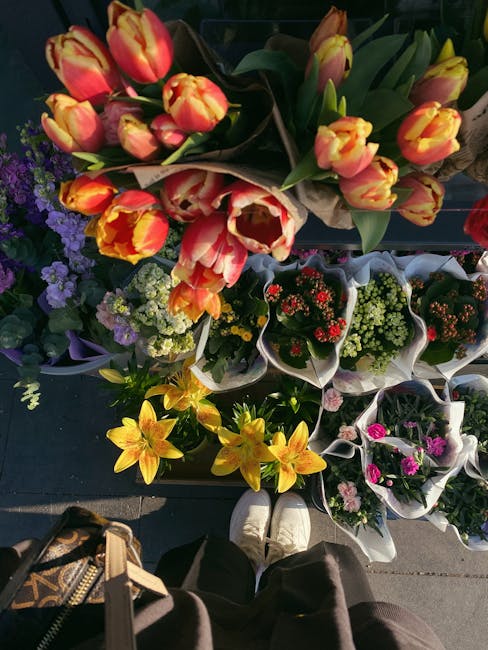
Table of Contents
- Why Deptford Market Yard best flowers for stall displays Matters
- How Deptford Market Yard best flowers for stall displays Works
- Key Benefits and Practical Advantages
- Who This Is For and When It Makes Sense
- Step-by-Step Guidance
- Expert Tips for Better Results
- Common Mistakes to Avoid
- Tools, Resources and Recommendations
- Law, Compliance, Standards, or Best Practice
- Options, Methods, or Comparison Table
- Case Study or Real-World Example
- Practical Checklist
- Conclusion
- Frequently Asked Questions
Why Deptford Market Yard best flowers for stall displays Matters
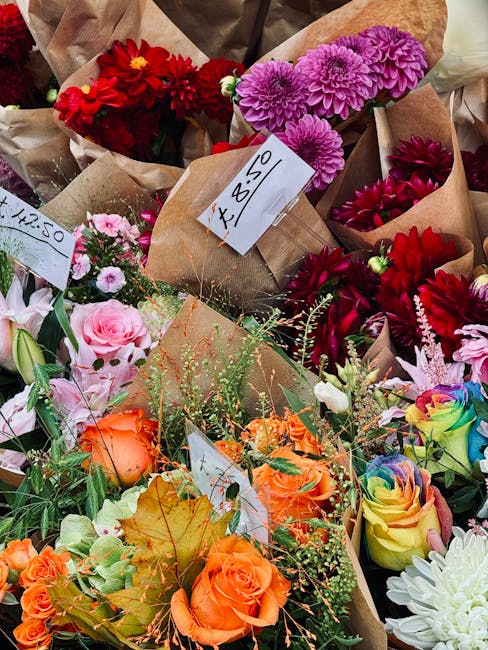
Flowers at a market stall are doing several jobs at once. They are part product, part signpost, part atmosphere. If the display feels cramped, dull, or messy, people walk past. If it feels fresh, coherent, and easy to understand, they stop. That pause is everything.
Deptford Market Yard has a particular feel about it. Customers tend to browse quickly, compare stalls, chat, and move on. In that environment, your flowers need to earn attention fast. A good display can make a small stall look considered and professional, even if the footprint is modest. That is the whole point, really.
The best flowers for stall displays are not always the most expensive or the most exotic. Often, the winners are the flowers that balance visibility with staying power. Think sturdy stems, consistent shape, useful colour contrast, and blooms that still look fine after a few hours in warm air or a bit of handling. You want flowers that forgive a long day. We all know markets can be a little unpredictable.
There is also a customer psychology angle here. People tend to trust displays that feel calm and intentional. A loose bunch of mixed stems may be lovely in a vase at home, but on a stall it can look unfinished if the colours are fighting each other. On the other hand, a well-edited selection of roses, lilies, alstroemeria, chrysanthemums, and seasonal fillers can look balanced without trying too hard.
In practice, the flowers you choose should reflect the type of buyer you expect at Deptford Market Yard: spontaneous gift buyers, local regulars, people picking up a thank-you bouquet, and the occasional customer buying something on impulse because it simply looks lovely in the morning light. That last one is more common than you might think.
How Deptford Market Yard best flowers for stall displays Works
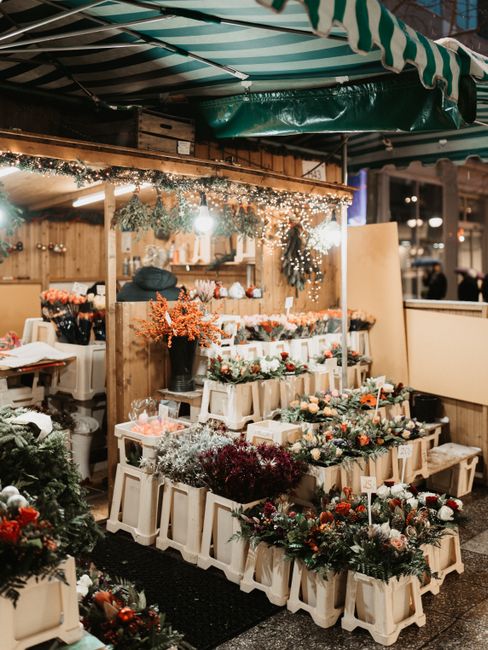
There is no single formula, but successful stall displays usually follow the same logic: choose flowers that are visually strong, easy to manage, and suited to the way people shop at a market. The best display flowers should work both from a distance and up close.
Here is the basic flow:
- Choose a focal flower that gives the stall its main visual identity.
- Add supporting flowers that fill space, soften the edges, and add value.
- Use colour groupings to make the stall easier to scan.
- Mix heights and textures so the display does not look flat.
- Keep a few backup stems ready for quick refreshes during the day.
That sounds simple enough, but the real skill is in editing. Too many varieties can make a stall feel noisy. Too few can make it look sparse. The sweet spot tends to be a clear hero flower, one or two secondary flowers, and perhaps a soft filler or seasonal accent. If you want a practical shorthand, think structure, colour, and staying power.
For markets, flowers also need to be chosen with transport and display time in mind. A bloom that opens beautifully at home may not be ideal if it wilts quickly in direct sun or under warm stall lighting. Someone setting up early on a Friday morning does not want a flower that needs constant fussing by lunchtime. Nobody does, frankly.
It also helps to think about how customers interact with the stall. Are they buying a ready-made bouquet? Picking stems? Choosing a gift for later in the day? That answer affects the display style. Pre-made bunches should look abundant and easy to grab. Stem displays should be clearly organised. Gift bouquets need a more polished finish, perhaps with a premium variety or two from a trusted range such as best-selling arrangements that already suit general customer demand.
Key Benefits and Practical Advantages
Picking the right flowers for a Deptford Market Yard stall display is not only about appearance. There are practical gains too, and they matter just as much when trading is busy.
1. Better visibility from a distance
Flowers with bold colour blocks, clear shapes, and good volume catch the eye more quickly. That is useful in a market setting where people are moving, talking, and deciding quickly. A strong display makes your stall easier to find and easier to remember.
2. Stronger perceived value
A tidy arrangement can make even modestly priced flowers feel more premium. That does not mean pretending something is what it is not. It means presenting it well. People are more likely to buy when a stall looks cared for.
3. Easier merchandising
Some flowers naturally suit bundles, while others work better as feature pieces. Choosing the right mix helps you separate impulse buys from higher-value bouquets, which is useful if you offer a range from everyday stems to more polished gifts like luxury flowers or simpler bunches from the budget-friendly collection.
4. Better shelf life through the trading day
Durable flowers reduce waste and stress. That matters in a market environment where refrigeration, shade, and constant handling may be limited. A flower that keeps its shape and freshness is worth its weight in gold. Well, nearly.
5. More flexibility for different occasions
People buy flowers for birthdays, thank-yous, sympathy, anniversaries, and "just because" moments. A versatile display can serve several needs without requiring a complete rebuild every time demand shifts. If your mix is thoughtful, a single stall can cover a lot of different customer intents.
Expert summary: The best stall flowers are the ones that sell the story clearly, last long enough to trade well, and can be styled without making your day harder. In a market setting, beauty has to be practical.
Who This Is For and When It Makes Sense
This guidance is useful for a few different types of sellers and organisers. You do not need to be running a full-scale florist operation to benefit from it.
- Independent flower sellers who want a more professional-looking pitch.
- Florists trading at Deptford Market Yard who need quick, repeatable display ideas.
- Event sellers offering seasonal arrangements, gifts, or floral add-ons.
- Small businesses trying to improve footfall with a cleaner and more visible stand.
- New stallholders who need a simple starting point instead of guessing.
It also makes sense if you are testing which product types people actually respond to. Markets are brilliant for that because feedback is immediate. You can see what people look at, what they pick up, and what they leave alone. A bit brutal, yes, but very useful.
If you already sell online, the stall display can act as a physical brand extension. For example, a stall that leans into soft pinks and whites can reinforce the same look a customer may have seen in an online collection such as pink flowers or white flowers. That kind of consistency helps people feel they know what you stand for.
This approach also makes sense seasonally. Spring and summer markets often reward bright, open blooms, while autumn trading may suit richer tones, more texture, and fuller shapes. If you adapt with the seasons, the stall feels current rather than repetitive.
Step-by-Step Guidance
If you want a stall display that feels balanced rather than random, work through this process. It is simple enough to use before a market day, but it still gives you a proper framework.
Step 1: Decide what the stall must do
Start with the business goal. Are you trying to attract passers-by, sell affordable bunches, showcase premium bouquets, or promote bespoke arrangements? The answer changes your flower selection. A display meant to draw in curious browsers will look different from one designed to support more considered purchases.
Step 2: Pick one main colour direction
Choose a dominant palette. You can go monochrome, tonal, seasonal, or mixed, but the stall should still feel deliberate. A simple pink-and-white display can feel elegant and calm. A yellow-and-orange display reads brighter and more energetic. A mixed palette can work too, though it needs a stronger structure so it does not become chaotic.
Step 3: Build around sturdy focal flowers
The best focal flowers for stalls are the ones with clear shape and enough presence to hold attention. Roses, lilies, chrysanthemums, tulips, alstroemeria, and alstroemeria-style mass flowers often work well in different ways, depending on the look you want. For a warmer, more joyful display, you might lean toward something like Sunlit Beauty or another bright arrangement in the same family.
Step 4: Add texture and filler
Once the main flowers are set, use texture to stop the display feeling flat. Small sprays, mixed foliage, and compact blooms can help create volume without overwhelming the eye. The trick is not to stuff the table. Leave breathing room. Customers need to see what they are buying.
Step 5: Separate practical stock from display stock
If a bunch looks a little too open or fragile for the front table, keep it for back stock or quick wrapping. The front display should be the best-looking version of your offer. That does not mean wasteful. It means selective.
Step 6: Test sightlines
Stand back three or four metres and look at the stall as a customer would. Can you tell what you sell in two seconds? Can you see a price range? Is there one obvious star of the display? If not, adjust.
Step 7: Refresh as the day goes on
Remove tired blooms, top up water, and rotate stems if one side of the stall is getting more sunlight or handling. A quick tidy-up at midday can make a much bigger difference than people expect. A five-minute reset can save the whole look.
Expert Tips for Better Results
There are a few practical tricks that make market flower displays noticeably better. Nothing fancy. Just the stuff that tends to work in the real world.
- Use odd numbers for focal groups. Three, five, or seven stems often look more natural than even pairs.
- Keep your colour story tight. A focused palette usually sells better than a dozen competing colours.
- Mix bloom sizes. Large heads need smaller supporting flowers so the whole arrangement feels complete.
- Choose flowers that tolerate a bit of movement. Market stalls are not still life photography sets.
- Leave room for your signs and prices. Crowded signage and crowded flowers fight each other.
- Use scent carefully. A little fragrance is lovely; too much in a tight space can feel heavy.
One small observation from practical display work: people often buy the bunch they can understand quickest. That means labels matter, but so does shape. A customer may not know the difference between a florist's choice bouquet and a seasonal mixed bunch at a glance, but they will know which one feels easier to trust.
If you sell a range, try grouping it by style rather than by every tiny botanical difference. For example, a clean group of mixed colours can sit beside a more structured classic option, while a bolder seasonal option like summer flowers can anchor a brighter corner of the stall.
And yes, the bucket water should be clean. It sounds obvious, but there is always one bucket that tries to ruin the mood.
Common Mistakes to Avoid
Most weak stall displays fail for a few predictable reasons. The good news is that these are easy to fix once you know what to look for.
Overloading the table
A packed display may seem generous, but it often looks messy. If every surface is covered, nothing stands out. Customers need simple visual cues. Give them space to breathe.
Mixing too many colours without a plan
There is a difference between colourful and confused. Too many competing tones can make the whole pitch feel cheaper than it is. A more disciplined palette usually performs better.
Choosing delicate flowers for a long trading day
Some flowers are beautiful but not ideal for a market stall unless you can actively manage them. If you cannot mist, cool, or replace stems regularly, choose hardier varieties instead.
Ignoring height and shape
If everything sits at the same level, the stall looks flat. Use taller stems at the back, medium height through the middle, and shorter, fuller items at the front where customers can browse.
Forgetting the weather
Sun, wind, drizzle, and temperature changes all affect flowers. A display that works at 10 a.m. may need a tweak by lunchtime. London weather does enjoy a bit of drama, after all.
Using display flowers that do not match the price point
If you are selling everyday bouquets, a display that looks too luxurious can make customers assume the prices are out of reach. Likewise, if you sell premium pieces, the display should not look too casual. Make the offer clear.
Tools, Resources and Recommendations
You do not need a huge kit, but a few practical tools make market-day flower display much easier.
- Clean buckets or water containers for transport and display.
- Sharp floral snips for quick stem trimming.
- Water source or refill plan so flowers do not sit dry.
- Simple signage that shows prices and categories clearly.
- Wraps, ribbon, or paper if you offer hand-tied bunches.
- Cloth or tray liners to keep the stall looking tidy.
- Spare stems for refreshing damaged or tired sections.
In terms of product recommendations, it helps to think in ranges rather than single stems. A mixed stall can combine everyday favourites, seasonal picks, and a few attention-grabbers. Some sellers build their display around dependable everyday flowers like alstroemeria, carnations, chrysanthemums, and lilies, then add a few statement pieces on top.
If you need a more curated feel, a range such as florist choice can help you keep the display varied while still controlled. That is often useful when you want flexibility without making customers work too hard to understand the stall.
Law, Compliance, Standards, or Best Practice
For flower stalls, the main compliance issues are usually practical rather than complicated. You are generally looking at sensible trading conduct, clear pricing, food-and-drink separation if relevant, safe working practices, and proper care for stock and public space. If you operate at Deptford Market Yard or elsewhere in London, local market rules and any site-specific trader requirements may also apply, so it is wise to check the current position with the market operator before trading.
Good practice usually includes:
- displaying prices clearly where customers can see them;
- keeping walkways and access areas free from clutter;
- disposing of damaged stems and waste responsibly;
- preventing water spills where people could slip;
- storing sharp tools safely out of public reach;
- making sure any packaging or floral foam is handled carefully and not left loose around the stall.
If you sell gift bouquets for different occasions, it is also a good idea to keep product descriptions accurate. Do not promise a specific stem variety if your stock is seasonal and may vary. A cautious, honest description builds trust. Customers usually appreciate that more than a flashy claim.
For general customer-facing policies, it helps to be consistent about delivery, refunds, and care instructions. Those pages are less about the display itself and more about the trust behind the stall. If someone buys flowers from a market and takes them home, they want to know how to keep them fresh. That sort of reassurance matters.
Options, Methods, or Comparison Table
Different flowers suit different display jobs. Here is a simple comparison to help you decide what belongs on the front of the stall and what might work better as a secondary feature.
| Flower type | Best display use | Strengths | Watch-outs |
|---|---|---|---|
| Roses | Premium focal bunches, romantic displays | Strong recognition, neat shape, broad customer appeal | Can look formal if overused without softer supporting blooms |
| Lilies | Statement arrangements, elegant mixed bouquets | Visual impact, height, fragrance | Fragrance may be too strong in small spaces; pollen can be messy |
| Alstroemeria | Everyday mixed bunches, filler structure | Good value feel, long-lasting, versatile | Can be overlooked if not paired with stronger focal flowers |
| Carnations | Budget-friendly and full-bodied displays | Durable, textural, useful for volume | Need styling care so they do not appear dated or flat |
| Chrysanthemums | Dense, long-lasting market bunches | Excellent staying power, good volume | Best when edited into modern arrangements rather than left too crowded |
| Tulips | Seasonal spring displays | Fresh, clean lines, strong seasonal appeal | Need a bit more care with heat and handling |
If you are aiming for a softer look, white and pale arrangements usually read clean and calm. If you want a more energetic stall, bright mixed tones or warm seasonal shades often work better. There is no perfect answer here. It depends on who you want stopping at the table and what you want them to buy.
Case Study or Real-World Example
Imagine a small flower stall set up for a Saturday trading day. The seller has limited space, a few buckets, and customers passing in waves rather than standing still for long conversations. The first version of the stall is overloaded: too many colours, a few delicate stems drooping by late morning, and no clear focal point. It is not bad, exactly. It just feels busy in the wrong way.
After a reset, the stall is rebuilt around three main groups: a strong focal flower, a supportive seasonal mix, and a compact value range. The front table carries tidy bunches with clear labels. Taller stems sit at the back to give height. A couple of premium bouquets are set slightly apart so they do not get visually lost. The result is simple, but it works. Customers can understand the offer faster, and the seller does not spend the whole day rescuing soggy blooms.
What changed? Not the products alone. The logic changed. The stall started to feel intentional. That is the real lesson. Even if you are using everyday flowers, you can make them look excellent when the structure is right.
In a setting like Deptford Market Yard, where browsing can be quick and impulse purchases are common, that little bit of clarity can make a real difference. Not magical. Just practical.
Practical Checklist
Use this before setting up your stall.
- Have I chosen a clear colour palette?
- Do I have one obvious focal flower?
- Are the flowers sturdy enough for the trading day?
- Have I separated premium and everyday options?
- Can customers see prices quickly?
- Does the display look balanced from a few metres away?
- Have I brought spare stems and clean water?
- Is the stall tidy, with no clutter blocking the flowers?
- Will the display still look good after a few hours?
- Do the flowers match the mood and price point I want to sell?
If you can answer yes to most of those, you are in good shape. If not, that is fine too. A market display is rarely perfect first time. It gets better with repetition, and a bit of honest observation.
Conclusion
The best flowers for stall displays at Deptford Market Yard are the ones that combine visual impact, practicality, and customer appeal. That means choosing blooms that hold up well, style easily, and help people understand your offer in a glance. Roses, lilies, alstroemeria, carnations, chrysanthemums, and seasonal picks can all work beautifully when they are used with purpose rather than thrown together at random.
What really lifts a stall is not extravagance. It is clarity. A simple, well-edited, carefully refreshed display often beats a bigger but muddled one. Keep the palette focused, the structure readable, and the flowers fresh. Small details add up fast.
If you are selling at market level, your display is part of the customer experience. It is the first conversation before you speak a word. And if you get that bit right, the rest tends to feel easier. Not always easy, mind you, but easier.
Get a free quote today and see how much you can save.
When your stall feels balanced and full of life, people notice. And when they notice, they stop, smile, and often buy. That is a nice feeling on a busy London morning.
Frequently Asked Questions
What flowers are best for a Deptford Market Yard stall display?
Roses, lilies, alstroemeria, carnations, chrysanthemums, and seasonal flowers usually work very well. They offer a good balance of visibility, staying power, and customer appeal, which matters in a busy market setting.
Should I use mixed flowers or single-variety displays?
Both can work. Single-variety displays look clean and strong, while mixed arrangements can feel more abundant and gift-friendly. If you want easier browsing, keep the mix controlled and organise it by colour or style.
How do I make my flower stall look more premium without overspending?
Use fewer colours, cleaner presentation, and one or two standout flowers. Even a modest stock can look premium if the display is tidy and well spaced. A strong focal flower does a lot of heavy lifting.
Which flowers last longest on a market stall?
Chrysanthemums, alstroemeria, and carnations are often reliable choices because they tend to hold up well through a trading day. That said, conditions matter, so heat, shade, and water care still make a big difference.
What is the best colour scheme for stall displays?
There is no universal best scheme, but simple palettes usually perform well. White and green feel fresh and elegant, pinks feel soft and giftable, and brighter mixed colours attract attention quickly. Pick one direction and stay consistent.
How often should I refresh flowers during the day?
It depends on the weather and the flowers you use, but a midday check is sensible. Remove tired stems, top up water, and straighten the display if needed. A short refresh can keep the stall looking cared for.
Are scented flowers a good idea for a small stall?
Sometimes, yes. A little fragrance can be lovely, but too much scent in a tight space may feel overwhelming. Use strongly scented blooms carefully, especially if your stall is compact or busy.
What should I avoid in a market flower display?
Avoid overcrowding, muddy colour mixes, and delicate flowers that will not last the day. Also avoid hiding prices or making the display so busy that customers cannot immediately understand what you are selling.
Can I use the same display for different occasions?
Yes, if you keep it flexible. A well-structured base display can be adapted for birthdays, thank-yous, anniversaries, and sympathy pieces by swapping a few stems or accent colours. That is often the most efficient approach.
Do I need special equipment for a good stall display?
You do not need much, but clean buckets, sharp snips, clear signage, and a basic water plan are very useful. Good tools make the stall easier to manage and help the flowers last longer.
How do I know if my stall display is working?
If people slow down, look closely, ask about prices, or pick up bunches, the display is doing its job. If they keep walking without stopping, the stall may need a clearer focal point or a simpler layout.
Is it better to focus on cheap flowers or premium flowers?
The best answer is often both. A good stall usually has a clear value range and a more premium option so different customers can find something that suits them. Balance matters more than choosing one extreme.